
I’m someone who loves being out in places where you only hear wild sounds.
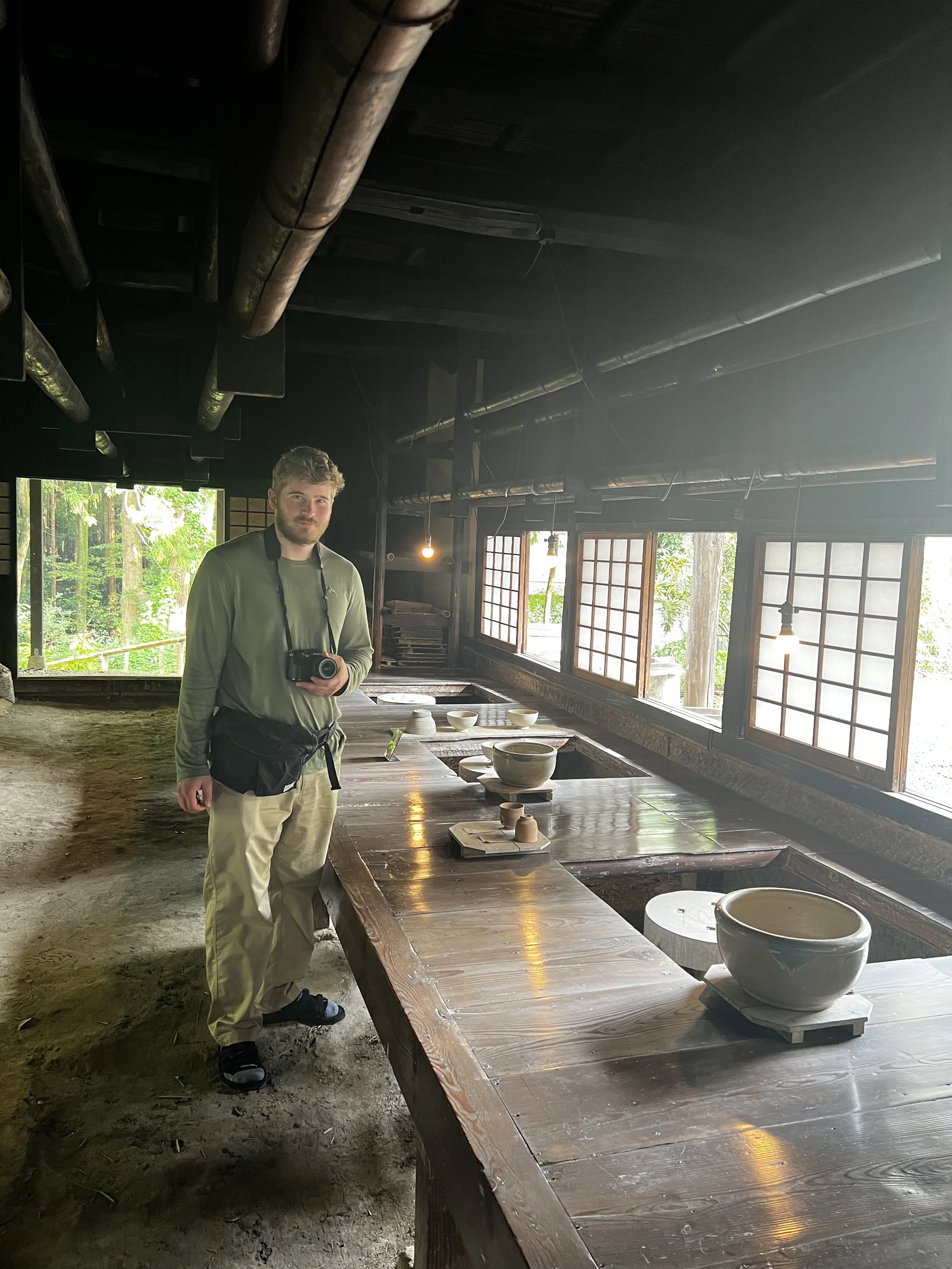
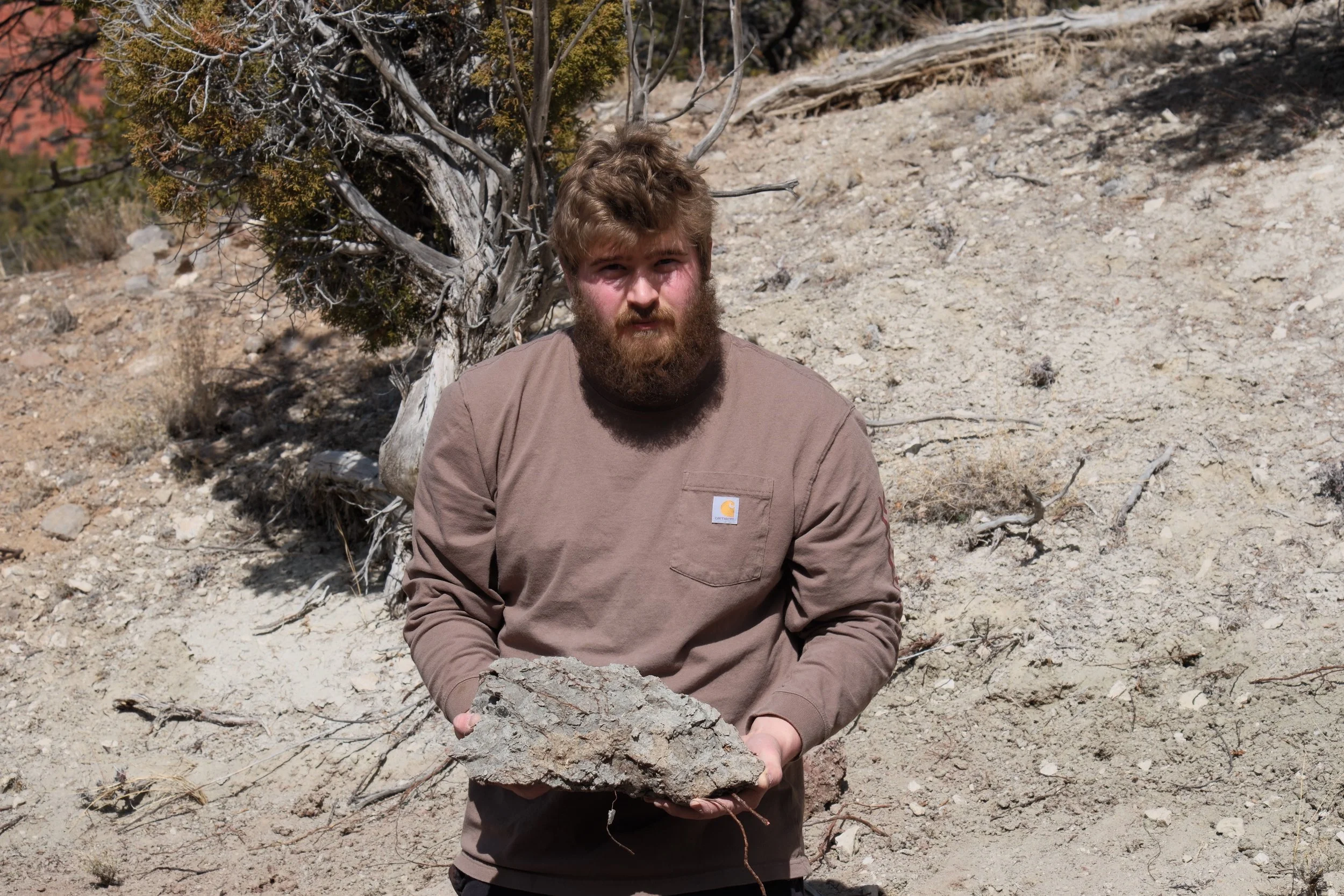
Pottery has become a method to reconnect with the earth beneath me. My goal is to create pieces that reflect the natural beauty of the world they come from and will connect those who view them to the earth as well. A key part of this approach is to source the clay and glaze ingredients from the wild, even though finding, collecting, processing, and clay/glaze development require significant time commitments, experimentation, and expertise development. Another important aspect of this approach is to throw pieces not just on an electric wheel, but also a manual kick wheel. My father and I spent months building my traditional, wooden Japanese kick wheel. Each piece of pottery, although shaped by my hands, at its core comes from the earth itself. The entire process, starting from searching our beautiful state for materials, to connecting with and shaping each piece, leaves its mark and tells the story.
Past
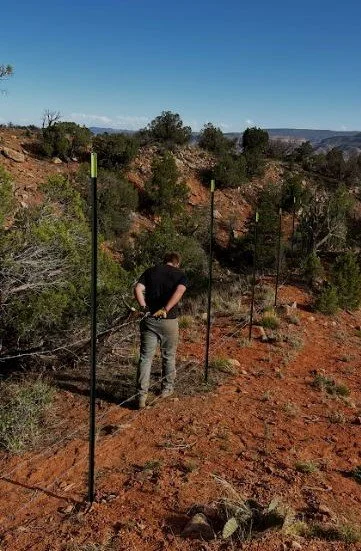
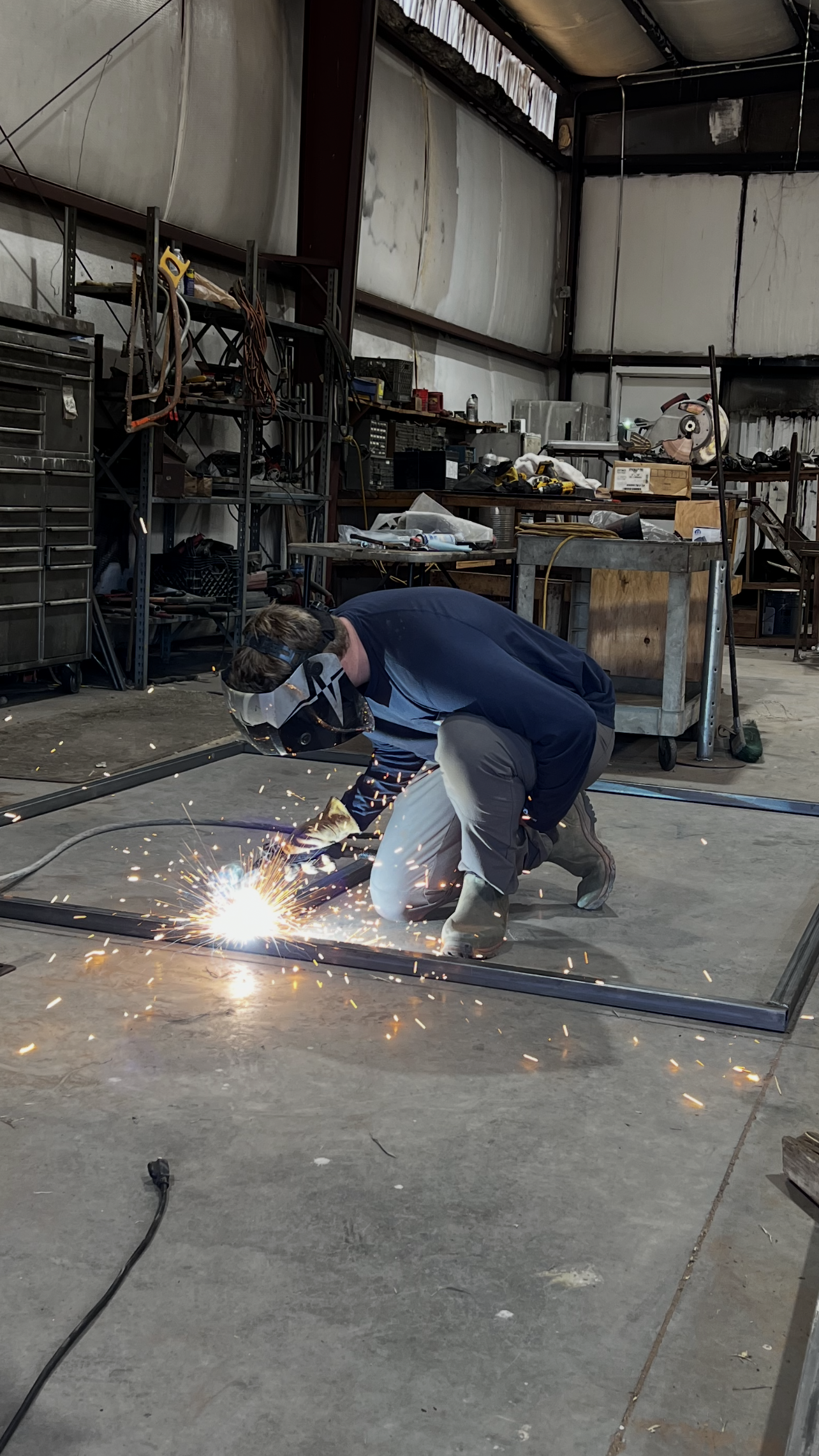
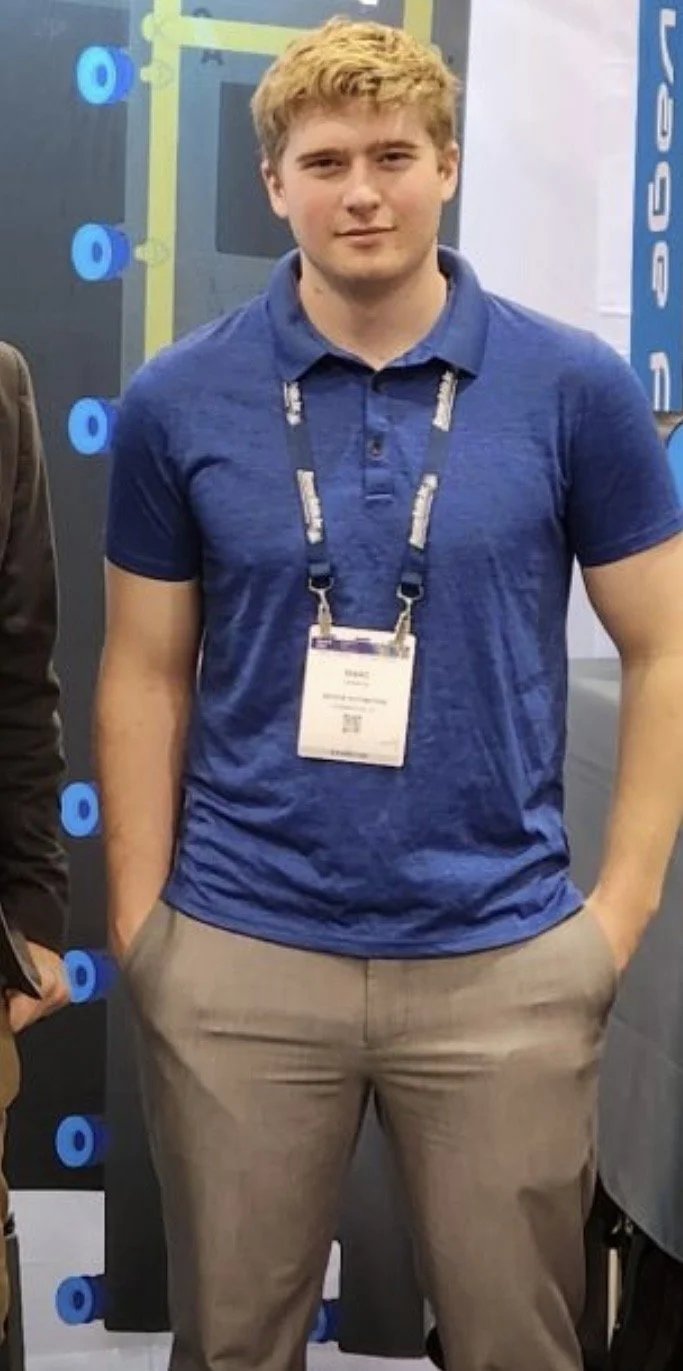
I’ve never been someone who has fitted in with the normal way things are done. I disliked school, and when I got my first job designing end-of-arm tooling for injection moulding machines on CAD software, I never really felt passionate about it. I’m not someone who likes sitting at a desk all day, so after I finished my schooling in automation and robotics, I almost immediately left my job and started building fences in rural areas up in the mountains.
I fitted in much better with that job, but shortly after starting, I had a bad accident with a piece of heavy machinery and decided the work was too risky. While all of this was happening, I had started to dabble in pottery and began to fall in love with the process, as so many do. After my accident on the fencing job, I decided to leave and pursue my dream of making pots.
Present
That brings us to the beginning of my ceramics career. At first, I had a very hard time figuring everything out, throwing, trimming, glazing, firing, and hardest of all, finding my style. Even a few years later, I still feel a little lost at times, but that’s normal. Style can take a lifetime to develop.
In just the past two years, my work has gone through dozens of changes, and it will likely go through many more. You wouldn’t guess that the pieces I made at the beginning came from the same maker who creates my work now, and I’m sure in another two years the same will be true. That constant change is one of the many beauties of pottery.
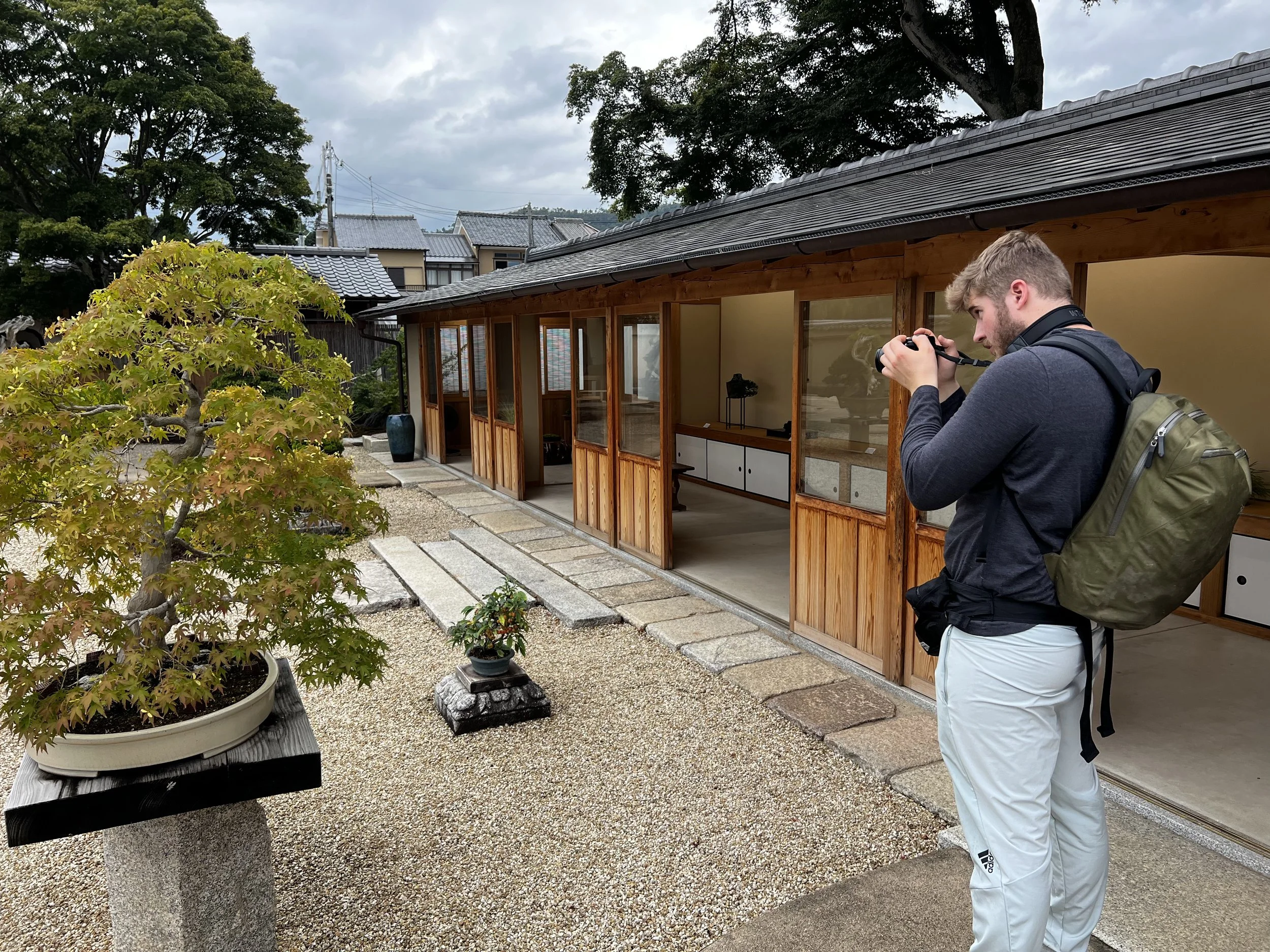
A lot of people ask about my prior training in ceramics, and the truth is I have none. I originally wanted to make pots for bonsai, since I have a large collection of trees and wanted ceramic pots to plant them in, that was the original drive to start.
There was a time when I looked for a teacher to train under, but with apprenticeships becoming almost impossible to find, I got nowhere with it and decided to keep teaching myself. With so many great potters being formally trained, I felt like I needed that too, but I’ve realized that isn’t true. In fact, I think not having formal training can be a major advantage.
Even to this day, I don’t consume a large amount of ceramic-related content and actually try to avoid it. By not having a teacher and not constantly looking at others’ work, I find I’m able to create pieces that align more closely with my true style, without too many outside influences. Of course, I still have influences, and you can see them in my work, but they’ve been digested by me and expressed in different ways through my pots.
About continued
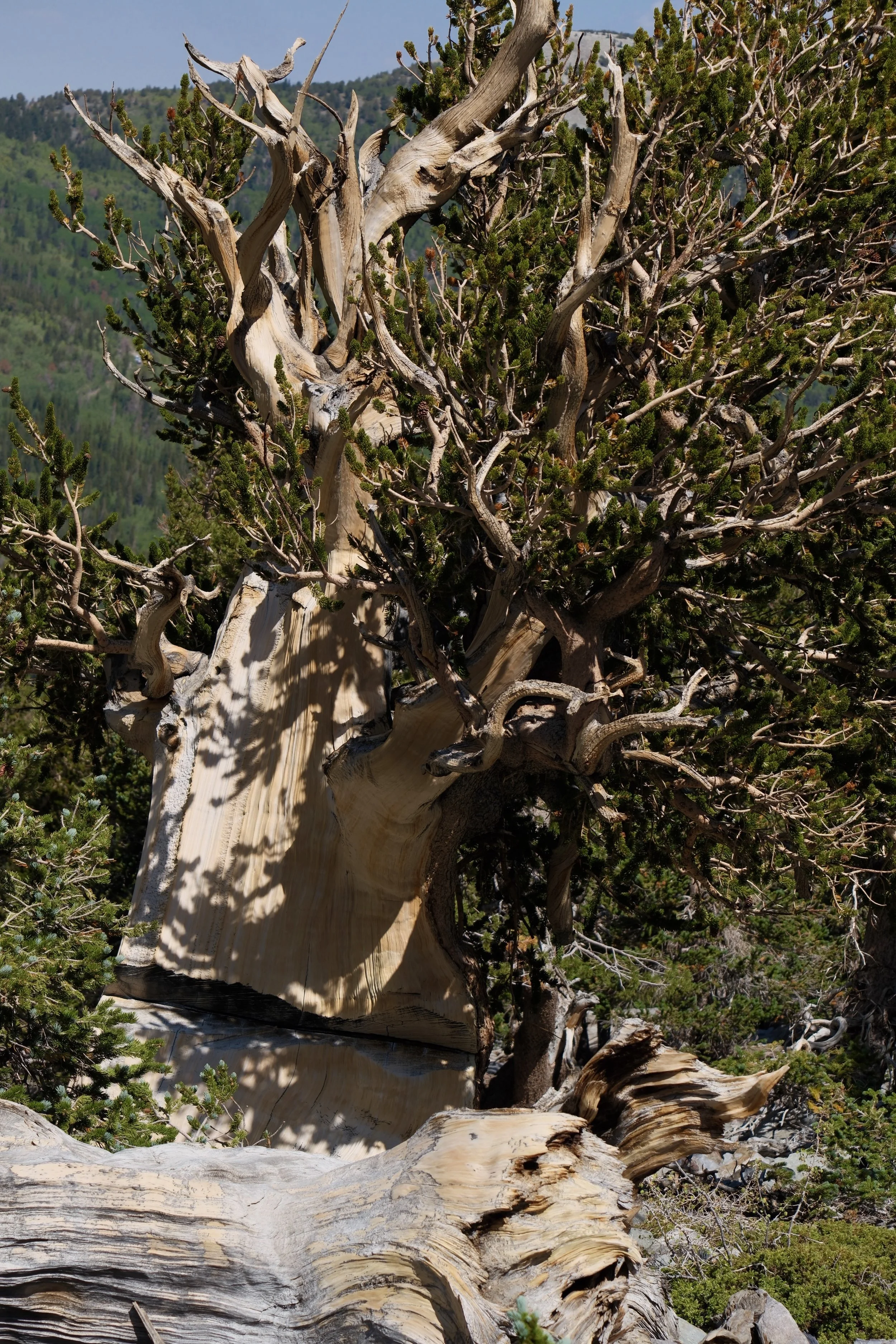
When I make pottery, I’m not trying to imitate nature or the world around me. Instead, I see it as a collaboration between myself and the world that has created these beautiful materials from which I craft my work. When someone uses one of my pots, I want them to see the work I’ve done to the piece, but also to recognize the outside influences that led to its creation. Even if it’s not obvious, I hope they can sense and feel the naturally formed materials and the connection between using the pot and the collaboration between my hands and the natural world.